Current Wildlife
The Derby and Sandiacre trust sites support a wide range of habitats including grass land, river course, hedgerow, meadow and reedbed to name a few. This variety, and the long stretch of the sites combined creates both opportunity and challenge. We need to understand what we have, how to look after it well, and manage the fauna and flora in the most sustainable way until we can install the canals.
Range of Habitat
We have the water base, the water edge, the pathways and hedgerows as well as grassland and supporting networks of wetland potentially too. This means that there could be a huge range of habitats in a relatively small space. A range of habitats means that the canal development could support a really wide range of fauna and flora also.
Health & Well-being
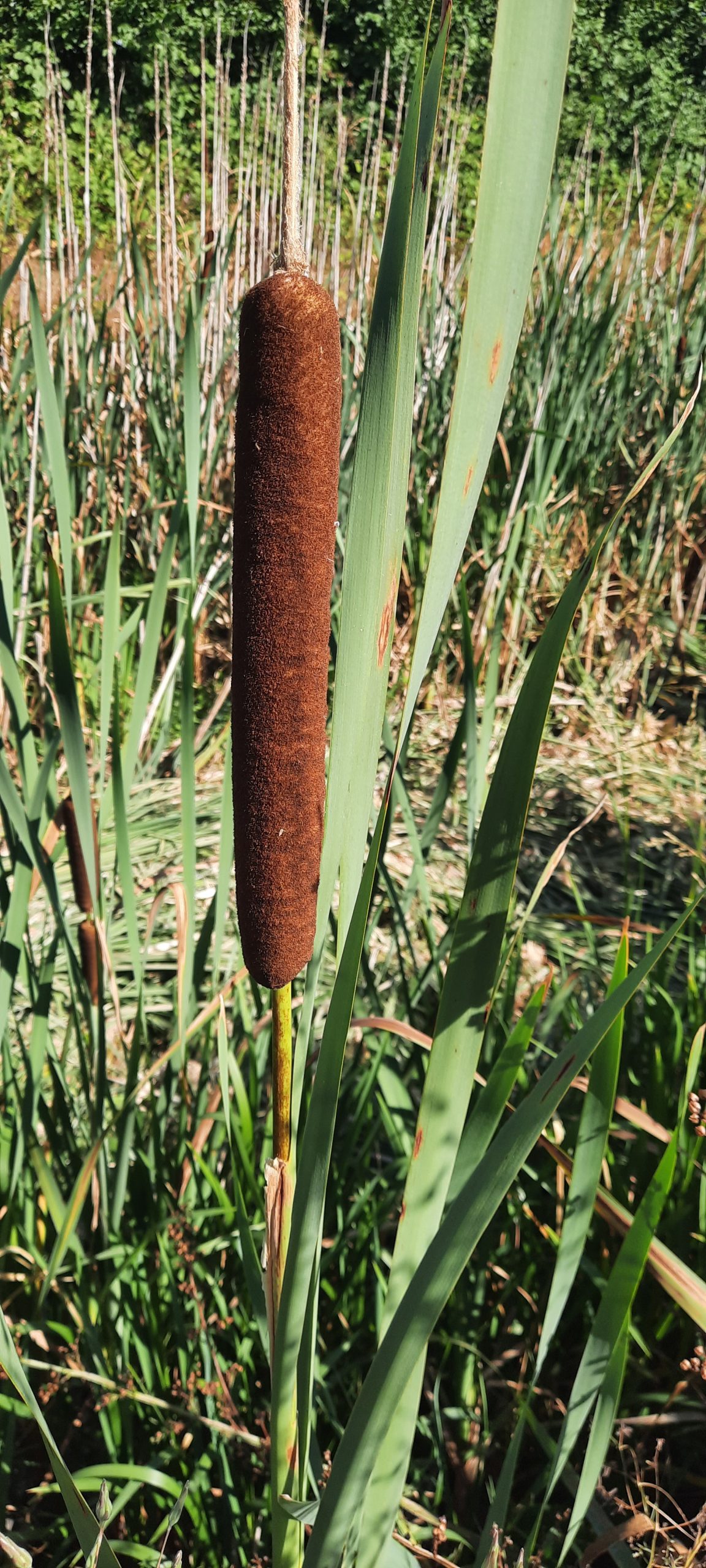
As well as supporting a wide range of wildlife, managing the local water systems well, and creating waterways such as the canals proposed, could be essential locally for us all. Having a canal nearby creates a fantastic environment for people to enjoy. Everyone of all ages can enjoy strolling, cycling or even running along a canal path with bull rushes, birds chirping, dragon flies zipping around. This environment is generally easily accessible, and a wonderful opportunity to enjoy. The benefits of getting out into nature are increasingly understood, supporting our mental and physical health. Canals are good for our well-being.
Water management
In addition, there is no doubt that we are experiencing flooding and drought on a more regular basis, and managing water sources in a more consistent way, is critical, not just for our wildlife and environment, but for us as well. If we can help reduce flooding, and also help distribute water during drought, then both wildlife and us locals win.
Biodiversity Net Gain
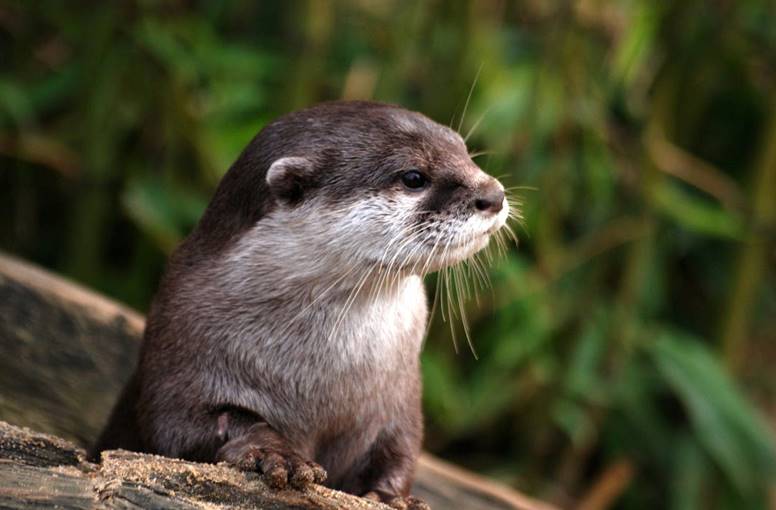
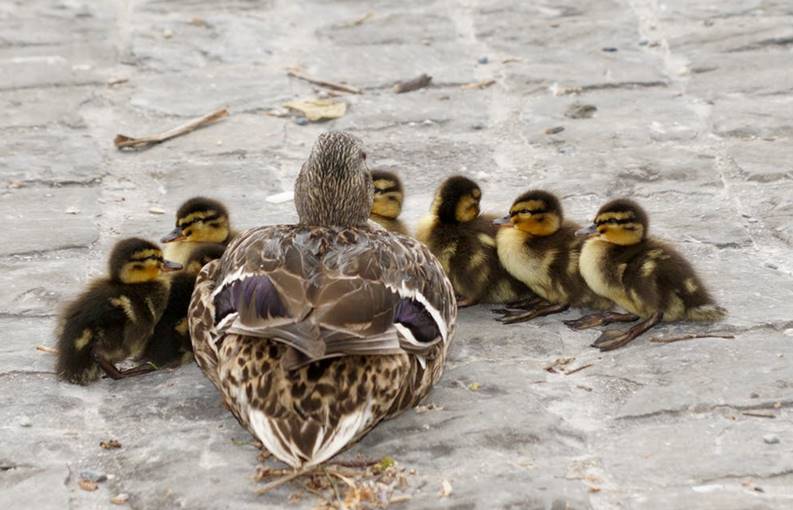
Biodiversity Net Gain (BNG) is a way of calculating whether a devotement such as building a canal, benefits the local ecosystem and supported species or not. We are in the process of understanding our current habitats, and looking at what they would be like, once we have introduced the canal system. As we do this, we are keen to ensure that we create as best an overall environment as possible both within the canal, and in the immediate surrounding area of towpath, hedgerow and grassland. Estimating our BNG is a way of doing this.
Nature corridors
As our sites develop, we realise that we will be connecting long strips of land water together into natural corridors. Canals have the potential to create a really diverse natural corridor, enabling mammals, plants, birds and butterflies as well as water based fauna to multiply and spread along the canal route.
Community involvement
There are many organisations out there that have a lot of experience working with the habitats that we have, and so partnership with local experts is a priority. There are national groups, such as the freshwater habitat group to link with. Likewise, there are a lot of local community groups that could benefit from the canal development.
We would like the canal and area to become part of each community landscape. This may include areas for exercise, education, food provision by way of fruit trees incorporated into hedgerows, accessibility to wildlife, and probably benefits that we haven’t thought of yet!
Volunteers
We would love to link with local naturalist groups who may help us understand what we have on the sites and how best to manage until we can develop into a freshwater canal. We are going to need a lot of surveys, looking at the mammals, birds, plants, fungi, habitat range, insects, soil and nutrients, water species, butterflies etc. If you think you, or a local group you’re involved with could be involved in this, then please do get in touch.
Future proofing
We need to think into the future also, what could our ecological vision be for each area? What species could we attract and support? How do we ensure that we do as much as possible once the canal is built, to support the widest range of habitat and wildlife.
So the challenge is to understand what we have, and what it could be from an environmental perspective.
If you are an expert in plants, insects, birds, freshwater habitat and species or would just like to join in and help us develop the canal into a beautiful environment, then please do get in touch.
This video shows how canal restoration has helped those living in urban areas of London reconnect with nature and develop an interest in wildlife conservation.
To find out more about the importance of canals and rivers to UK wildlife visit the Canal and River Trust’s Wildlife webpage, below.
https://canalrivertrust.org.uk/enjoy-the-waterways/canal-and-river-wildlife