Nature Based Water Management
A Sustainable Canal
In planning the future restoration, the Trust is seeking the support of investment partners to deliver a transformational infrastructure project that contributes towards the Government’s Environmental Improvement Plan, biodiversity improvements, flooding climate adaptation strategies and the regional blue-green infrastructure strategic objectives within an integrated project.
Restoring the canal is far more than a heritage project. Repurposed as a multi-functional green–blue infrastructure, the canal can play a central role in sustainable water management, climate resilience, biodiversity recovery and community wellbeing.
The Management of Water
Historically funded through the transportation of goods, many canals remain underused or degraded, disconnected from surrounding communities and lacking sustainable income. As pressures on land and water increase, the future lies less with the transportation of goods and more with the management of water.
Firstly, the ecosystem services delivered by integrating stormwater capture and storage, SuDS, water transfer and recycling, biodiversity gain and recreational open space, canal restoration delivers exceptional environmental, social, heritage and economic value
Secondly, as planners confront the dual challenges of population growth and climate change, restored canals offer a viable commercial solution which can be adapted to meet current planning needs for climate resilience, water management and biodiversity loss, whilst at the same time unlocking land for the development of social and affordable homes on land previously considered unsuitable.
Crucially, the combination of these ecosystem services and commercial benefits also enables innovative funding and financing making canal restoration both environmentally and economically viable.
Canal Nature Management Benefits
The restoration strategy is to create a “new river canal” where the water level rises and lowers to support the transport of floodwaters. Climate change has intensified surface water flooding, water scarcity and pollution pressures. A restored canal has the potential to make an important contribution to flood alleviation using an integrated water management approach. The canal restoration can also improve local land use options through surface flood water capture, attenuation and transportation, whilst also supporting water resource resilience and improving water quality.

Reducing Flood Risk
The canal can help to slow the flow of water through a catchment by reducing run off and increasing the ability of catchments to hold water, this in turn can help to reduce river peak flows. The restored canal could reduce the flood risk to the Erewash catchment and peak flows to the Trent Valley.
Unlike underground tanks or hard-engineered storage, canals provide visible, adaptable storage without removing valuable land from agriculture, developments or public use. This approach also reduces pressure on combined sewer systems, lowering the frequency of sewer overflows and associated pollution incidents.
Stormwater Capture
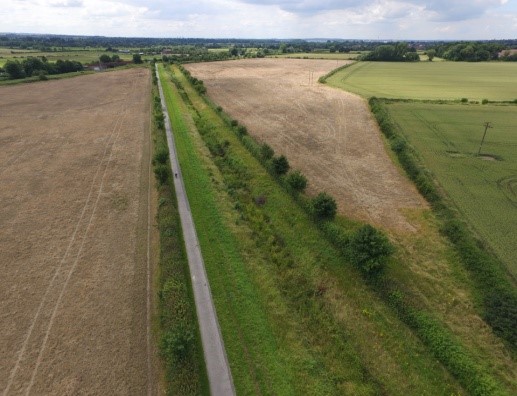
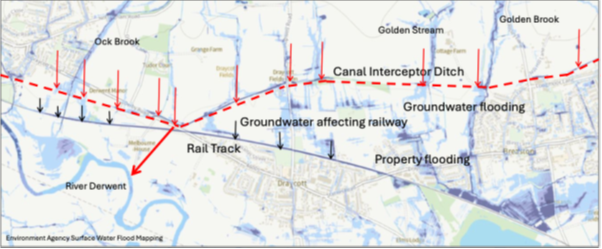
The reinstated canal, with its linear form is well suited for integrated water management system. Typically following the natural land contours, a restored canal can intercept surface water flows and operate as a strategic cut-off drain, capturing heavy rainfall.
Stormwater Transportation
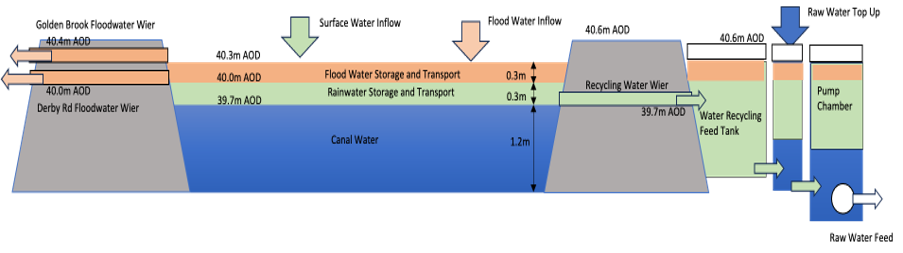
Existing structures such as locks, weirs, bypass channels and towpath heights can be adapted to regulate flows and temporarily increase water levels during extreme rainfall events. The stored water will be transported to the outfalls and gradually released to downstream watercourses such as the river Derwent. The Glasgow Smart Canal being a great example. At scale, canals may support regional or national water transfer, such as the Grand Union Canal Transfer Project reducing reliance on long-distance pipelines or new reservoirs.
Stormwater Storage
Stormwater storage space is achieved by both raising the towpath level and lowering canal operating water level. This creates free space above the canal water level for the storage and transportation of water. Using restored canals for stormwater storage enhances climate resilience to flood risk at a catchment level, helping alleviate damage to downstream infrastructure such as roads, railways and property, reducing associated mental health and insurance costs.
Water Recycling
Water scarcity is a national concern limiting new development. Restored canals can support non-potable water recycling systems for new housing developments, helping meet household water efficiency targets and reducing demand on treated water. Water can be naturally filtered using the canal and the recycled water can be used for toilet flushing and other non-drinking purposes.
As summer rainfalls decline stored water offers a cost-effective backup supply, such as the local raw water Ambergate Aqueduct, could enable community scale water recycling, reducing the need for expensive network upgrades and removes the maintenance responsibilities from individual households.
Improving Water Quality
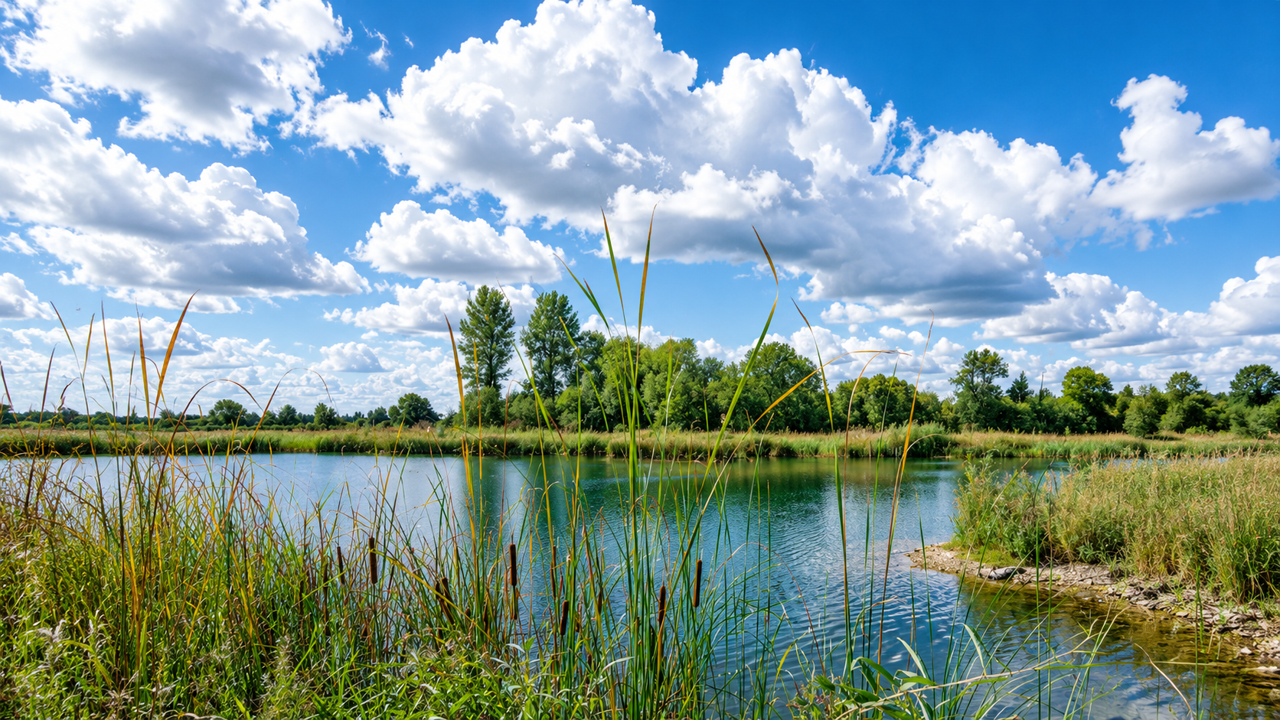
The Canal banks can support reedbeds which help to remove high nutrient loads runoff from farming contributing to improvements in the status of receiving water bodies.
Sediment management
The inclusion of new ponds, which are able to intercept floodwaters, can function as offline storage areas to help with sediment capture, reducing sediment deposition and nutrients from agricultural fertilisers into the canal and receiving watercourses.
Resilient Ecosystems
Restored canals, wetlands and woodlands are efficient at accumulating and storing carbon and removing carbon dioxide from the atmosphere.
Biodiversity and Conservation
Canals and wetlands are one of the most biologically diverse ecosystems due to their unique ecological features and nutrient cycling processes, supporting various plants and animals. Canal towpaths that include woodland, hedgerow and open grassland encourage and sustain a diverse range of species. Improved water quality also has the potential to improve waterside habitats.
Habitat Creation and Green Spaces
Creating blue green linear habitats such as canals not only improves biodiversity but also improves connectivity between wetlands, allowing more species to move between habitats. Developing linear green spaces also has massive social benefits, providing better access to green spaces, improving the space and environment we live in and improving quality of life.
Community Spirit
Making small adjustments to land management and allowing unproductive canal land to be used for flood storage can make a difference to those in the community at risk of flooding further downstream. Improved footpaths and new open public access is recognised as delivering significant health and wellbeing benefits, increased physical activity and stronger community cohesion through volunteering.
Financial Incentives
The Trust has completed an internal benefit assessment which attributes an economic value of over £40m to its water management strategy. The Trust is seeking third party partners to value and assist with the develop of a business case. The Trust is also seeking public sector funding to value the public benefits of ecosystem services.
Derby County Council, as the Lead Local Flood Authority, has secured funding to undertake feasibility studies of nature based solutions for flood management in the Draycott to Breaston area, ie the route of the canal. Derby County Council’s local objective is to prioritise flood risk mitigation schemes based on risk, need and deliverability. The natural flood management studies, which are currently funded, are being assessed by the Trent and Rivers Trust on behalf of Derby County Council.
Natural flood management solutions are based on using third party land and are structured around maintaining the water management interventions for a period of 5 years, after which owners may repurpose the land as they wish. Unfortunately, financial investment for flood protection schemes are unlikely to be viable using 5 year land contracts to underpin a 1:100 year flood risk design life. The canal restoration is a long term asset and therefore good development opportunity for a flood risk scheme.